top of page


OUR CROPS
We grow a range of high-quality crops suited to the Saskatchewan prairies. From staple grains to specialty pulses, each crop plays a role in feeding a growing world, and we take pride in producing them with quantity, quality, and consistency in mind.

Red Lentils
Red lentils are a key pulse crop grown across Western Canada. Canada produces about 2.3 million tonnes of red lentils on average each year, with Saskatchewan growing roughly 85–90% of the national crop.
Red lentils help build soil health by fixing nitrogen, making them a strong fit in a sustainable crop rotation.


Canola is one of Canada’s most important oilseed crops. Pressed into oil for cooking and industrial use, it’s valued for its light taste and high omega-3 content. Average Canadian production is around 18 million tonnes annually. Saskatchewan typically supplies over half of the country’s total canola crop. Its deep roots help reduce soil erosion and improve field structure.
Durum is the hardest of all wheat classes and is used primarily in pasta, couscous, and some specialty breads. Its high protein and gluten strength make it a preferred grain for semolina flour. Grown in dry climates like southern Saskatchewan, durum is well-suited to our soil and growing conditions. Canada produces an average of 5 million tonnes per year, and Saskatchewan is the largest producer in Canada.
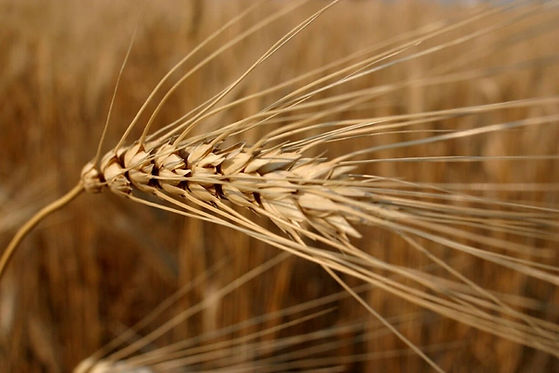

HRS wheat is a staple on many prairie farms thanks to its versatility and strong demand. Known for its high protein content and excellent milling quality, it’s used in bread, noodles, and other baked goods. It’s also a key Canadian export, making up the majority of Canada's wheat production with 20-25 million tonnes average per year; Saskatchewan is the top producer in Canada.
Malt barley is grown with precision and care, as it must meet strict quality standards for use in brewing. Once harvested and processed, it’s turned into malt, a key ingredient in beer and other fermented products. Saskatchewan’s climate and soil produce barley with the protein and enzyme levels preferred by maltsters. While higher risk, it can offer solid returns in the right season.



bottom of page